Why is my kitchen drain backing up in bellevue?
Learn why your kitchen drain is backing up in Bellevue, WA, and how to resolve common plumbing issues effectively.
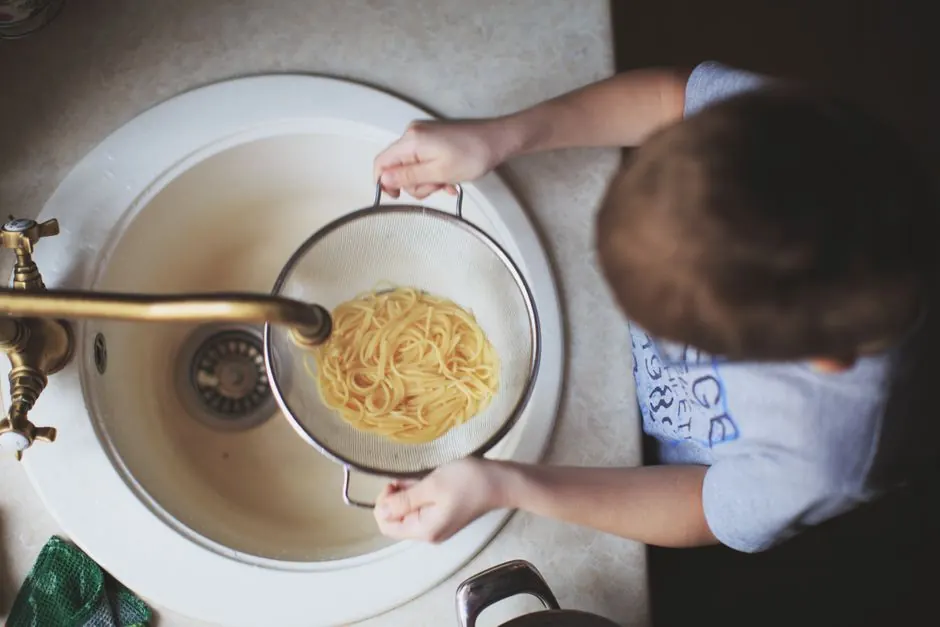
A kitchen drain backing up in Bellevue often stems from a combination of grease buildup, food particles, or foreign objects obstructing the plumbing. Understanding these causes can help you tackle the issue effectively and prevent future problems.
This article explores the common reasons behind kitchen drain backups, offers practical solutions, and shares essential plumbing tips for Bellevue residents.
What Causes Kitchen Drain Backups in Bellevue?
The primary reason for a kitchen drain backing up in Bellevue WA is the accumulation of debris and grease. Over time, food scraps, grease, and soap residue can build up in the pipes, leading to clogs. Additionally, tree roots can infiltrate sewer lines, causing blockages that affect your kitchen plumbing.
Common Kitchen Drain Issues in Bellevue
Residents of Bellevue often face several common kitchen drain issues:
- Grease Buildup: Cooking oils and fats can solidify in pipes, restricting flow.
- Food Particles: Small food scraps can accumulate and create blockages.
- Foreign Objects: Items like utensils or packaging can accidentally fall into the drain.
- Improper Installation: Poorly installed plumbing can lead to frequent backups.
These issues not only disrupt your kitchen activities but can also lead to costly repairs if not addressed promptly. For effective solutions, consider professional kitchen drain cleaning bellevue WA services.
How to Fix Kitchen Drain Backups in Bellevue
When dealing with a kitchen drain backing up, you can take several steps before calling a professional:
- Boiling Water: Pouring boiling water down the drain can help dissolve grease.
- Baking Soda and Vinegar: This combination can break down minor clogs. Pour half a cup of baking soda followed by half a cup of vinegar, let it sit for 30 minutes, and then flush with hot water.
- Plunger: A plunger can be effective for clearing minor blockages.
- Drain Snake: For stubborn clogs, a drain snake can reach deeper into the plumbing.
If these methods do not resolve the issue, it may be time to consult a professional for clogged drain repair bellevue WA.
Kitchen Plumbing Tips for Bellevue Residents
To prevent kitchen drain issues, Bellevue residents should follow these plumbing tips:
- Dispose of Grease Properly: Never pour grease down the drain. Instead, collect it in a container and dispose of it in the trash.
- Use a Drain Strainer: Install a strainer to catch food particles and debris.
- Regular Maintenance: Schedule regular professional residential drain cleaning bellevue WA to keep your plumbing in good shape.
What to Watch Out For
Common mistakes can exacerbate kitchen drain problems:
- Ignoring Slow Drains: A slow drain often indicates a developing clog.
- Using Chemical Drain Cleaners: These can damage pipes and are often ineffective.
- Overloading Garbage Disposals: Only put small amounts of food waste in disposals.
When to Call a Professional
If your kitchen drain continues to back up despite your efforts, it's time to call a professional. At Drain Cleaner Pro Max, we offer reliable solutions for kitchen drain issues in Bellevue. Our experienced team is equipped to handle severe clogs and plumbing emergencies.
Frequently Asked Questions
What causes kitchen drain backups? Kitchen drain backups are typically caused by grease buildup, food particles, foreign objects, or tree roots in the plumbing.
How to prevent kitchen drain clogs in Bellevue? Prevent clogs by disposing of grease properly, using a drain strainer, and scheduling regular maintenance.
When should I call a plumber for my kitchen drain? Call a plumber if DIY methods fail to clear the backup or if you notice recurring issues.
Can I use chemical drain cleaners? It's best to avoid chemical drain cleaners as they can damage pipes and often provide only temporary relief.
How much does drain cleaning cost in Bellevue? Typical 2026 pricing for drain cleaning in Bellevue ranges from $100 to $300, depending on the severity of the clog.